

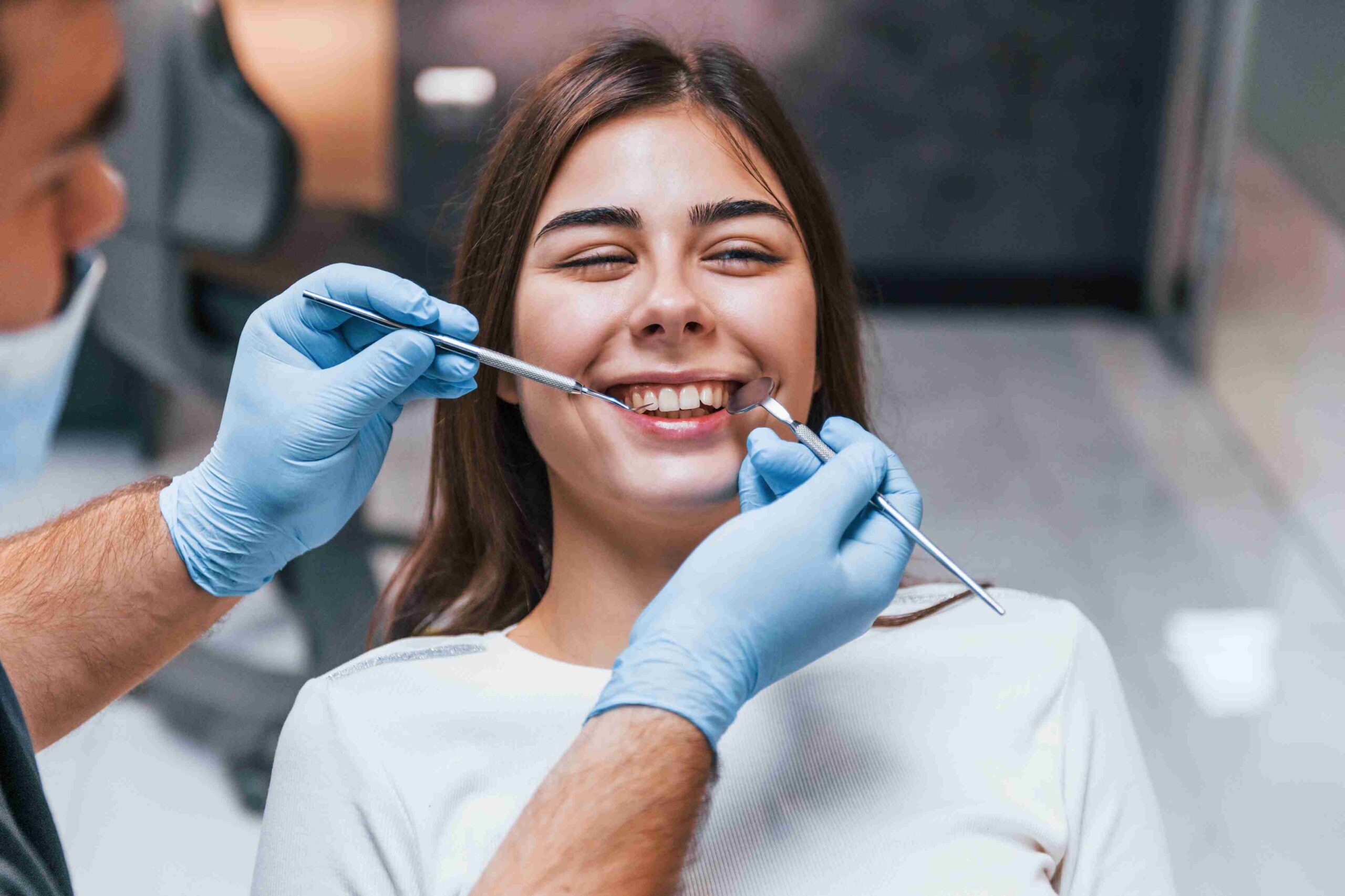
Teeth whitening may help lighten natural enamel stains caused by coffee, tea, wine, tobacco use, aging, or surface discoloration, but it does not change the colour of crowns, fillings, veneers, bonding, bridges, or dentures. Patients in Clearbrook, BC, Mission, BC, and Abbotsford, BC should have sensitivity, cavities, gum health, enamel wear, and visible dental work reviewed first. A dentist can explain which whitening option may be suitable, and what shade change may be realistic.
Tooth colour can change slowly, so many people only notice it when they see photos or compare their smile with older pictures. A patient in Clearbrook, BC may see yellowing near the edges of front teeth, while someone else may notice stains after years of coffee, tea, red wine, or dark sauces.
For patients thinking about teeth whitening, the first step is understanding what kind of colour change is present. Whitening works on natural enamel, but it does not change fillings, crowns, veneers, bonding, bridges, or dentures. A dental exam helps check whether sensitivity, gum irritation, cavities, enamel wear, or visible restorations could affect the plan. This helps make whitening safer, clearer, and better match the patient’s own smile.
Why Teeth Become Stained
Teeth can look darker for several reasons. Some stains sit on the enamel surface and may come from foods, drinks, or tobacco use. Other colour changes are deeper and may be linked to aging, enamel thinning, trauma, medication history, or older dental work.
A plan for teeth whitening should begin by identifying the source of the stain. Surface stain may improve after cleaning, while deeper enamel colour may need a different whitening approach.
If one tooth is much darker than the others, the dentist may need to check for trauma, decay, or past root canal care. General whitening may not solve a single tooth colour change.
Whitening Works on Natural Enamel Only
Whitening materials are designed for natural tooth enamel. They do not lighten crowns, fillings, veneers, bridges, bonding, dental implants, dentures, or other dental restorations.
This matters for patients with visible dental work. A filling that matches before whitening may look darker after nearby natural teeth become lighter.
A dentist may recommend shade planning before any visible restoration is replaced. In some cases, whitening happens first, and the restoration is matched later, once the new shade has settled.
Why a Dental Exam Comes First
A whitening visit should not begin with shade alone. The dentist should check for cavities, gum inflammation, exposed roots, cracked enamel, leaking fillings, and areas of sensitivity.
Before teeth whitening is chosen, patients should know whether their teeth and gums are healthy enough for whitening materials. Gel can irritate areas that already have decay, recession, or exposed dentin.
If a cavity, gum concern, or sensitivity issue needs attention first, that step has a purpose. A healthier mouth gives the dentist a safer starting point.
Clearbrook Patients and Shade Expectations
Patients in Clearbrook, BC may want a brighter smile that still looks natural. The final shade depends on the starting colour, stain type, enamel thickness, diet habits, age, and how the teeth respond.
A dentist may use a shade guide or photos to show the current tooth colour and discuss realistic changes. Not all teeth whiten at the same pace.
The goal should be a cleaner, brighter look that still fits the person’s smile. A shade that looks natural on one patient may not suit another.
Understanding Professional Whitening Options
A supervised option such as Teeth Whitening Treatment may be discussed when the dentist has confirmed that the mouth is healthy enough for whitening. This may involve in-office whitening, take-home trays, or another dentist-guided plan.
The dentist can explain how the option works, how the gums are protected, and what type of sensitivity may occur. Patients should also know how long it takes to follow the instructions and when to stop if discomfort becomes strong.
No whitening method should promise the same result for every patient. Tooth response varies from person to person.
Sensitivity Should Be Discussed Early
Some patients already have sensitive teeth before they ask about whitening. Cold drinks, brushing, sweets, or air may trigger discomfort.
The dentist may recommend desensitizing toothpaste, spacing whitening sessions, adjusting product strength, or treating another dental concern first. Whitening should be planned for comfort and oral health.
Patients from Mission, BC should mention sensitivity even if it feels mild. Small symptoms may change which whitening method is recommended.
In-Office Whitening Questions
Some patients want a faster option and may ask whether an in-office whitening visit is suitable. During this type of visit, the dental team protects the gums and applies whitening material to the teeth.
A discussion with a Teeth Whitening Dentist can help patients understand whether in-office whitening is appropriate for their enamel, sensitivity level, and dental work. The dentist can also explain what the appointment may involve.
Patients should ask how the gums are protected and what to expect afterward. Clear instructions help reduce confusion after treatment.
Take-Home Whitening from a Dental Office
Some whitening plans use custom trays or dentist-recommended products at home. This approach may allow gradual shade changes while still giving the patient professional guidance.
A second mention of Teeth Whitening Treatment fits here because at-home care can still be treatment when it is planned and monitored by a dental professional. The instructions matter as much as the product.
Using extra gel, whitening too often, or leaving trays longer than directed can irritate teeth and gums. More products do not always mean a better result.
Same-Day Whitening Expectations
Patients may ask about Same-Day Teeth Whitening when they want a brighter smile before an event, photo session, or special occasion. Same-day care may be possible for some patients, but suitability depends on the dental exam.
If cavities, gum inflammation, strong sensitivity, or visible mismatched restorations are present, whitening may need to wait. The dentist should explain the reason clearly.
A fast appointment should still be safe. Speed should not replace proper oral health checks.
Abbotsford Patients and Existing Dental Work
A patient in Abbotsford, BC may have crowns, bonding, fillings, or veneers that show when smiling. Those materials will not change colour with whitening.
This is where a Teeth Whitening Dentist may review visible restorations before the shade plan begins. If the natural teeth lighten but the restorations stay the same, the smile may look uneven.
In some cases, old restorations are replaced after whitening. In others, whitening may not be the best first step.
Who May Need Another Cosmetic Option
Whitening may not be the best answer for every colour concern. A single dark tooth, enamel defects, old bonding, deep internal staining, or mismatched restoration may need another approach.
The dentist may discuss bonding, veneers, crowns, internal bleaching for selected teeth, or replacing old restorations after evaluation. The right choice depends on the cause of the colour change.
A cosmetic plan should be based on diagnosis, not only the desire for a brighter shade.
Second Look at Same-Day Options
A second mention of Same-Day Teeth Whitening belongs in timing guidance. Patients should ask what level of shade change is realistic in one visit and whether sensitivity may occur afterward.
Some people may be good candidates for same-day care. Others may do better with a gradual approach because of sensitivity, enamel condition, or visible dental work.
The safest plan is the one that fits the patient’s mouth. Timing should support the result, not pressure the decision.
What Whitening May Help With
For suitable patients, whitening may improve the brightness of natural teeth.
It may help:
- Lighten natural enamel stains
- Reduce dullness from food and drink stains
- Refresh smile appearance before cosmetic work
- Improve shade consistency in selected cases
- Support shade planning before visible restorations
- Clarify which colour concerns need another treatment
- Improve the look of a smile without changing tooth shape
- Encourage patients to maintain regular cleanings
- Results depend on stain type, enamel condition, sensitivity, oral health, and existing dental work.
What to Expect Before During and After Care
Before whitening, the dentist reviews tooth shade, gum health, enamel condition, sensitivity, cavities, and visible restorations. Cleaning may be recommended if plaque, tartar, or surface stain is present.
During whitening, the method depends on the plan. Some patients receive in-office care, while others use dentist-guided trays or products at home.
After treatment, patients from Mission, BC should follow instructions, avoid overuse, and report strong or lasting sensitivity. Future whitening should be discussed with the dentist rather than repeated too often without guidance.
Local Patient Review
“I wanted a brighter smile, but the visit helped me understand why my old fillings would not change colour and why shade timing mattered.”
A Brighter Smile Should Still Be Planned Safely
Whitening can seem simple, but the best plan checks enamel, gums, sensitivity, old dental work, and realistic shade change before treatment begins. If tooth colour is a concern near Abbotsford, BC, Clearbrook, BC, or Mission, BC, Blossom Dental Care can help patients understand whether whitening or another cosmetic option may fit after evaluation.
Frequently Asked Questions
Does whitening work on every stain?
No. Some stains respond well, while others may be linked to trauma, restorations, enamel defects, or deeper colour changes.
Will crowns or fillings get lighter?
No. Whitening changes natural enamel only. Crowns, fillings, veneers, bonding, bridges, and dentures stay in the same shade.
Can whitening cause sensitivity?
Some patients may notice temporary sensitivity. Tell the dentist if your teeth already react to cold, brushing, or sweets.
Should I have a cleaning first?
Often, a cleaning is helpful if plaque, tartar, or surface stain is present. The dentist can recommend the right order.
How long do results usually last?
It varies. Coffee, tea, wine, tobacco use, enamel condition, oral hygiene, and dental cleanings can all affect shade over time.
Can one dark tooth be whitened?
A single dark tooth should be examined first. It may need a different treatment than general whitening.
Are store-bought products the same?
Not always. Dentist-guided care begins with an exam and instructions based on your teeth and gums.
Can whitening be done before veneers or fillings?
Sometimes. Whitening before new visible restorations may help with shade matching once the tooth colour settles.